VA loan facts guide · Originally published March 6, 2025 · Updated
The most useful VA loan facts are that eligible borrowers may buy with no down payment, avoid monthly mortgage insurance, and use the benefit again—but entitlement, loan qualification, property requirements and closing costs still matter. A VA-backed loan can be a strong option; it is not automatic approval, unlimited borrowing or a promise of the lowest rate.
These five benefits explain why the program deserves a closer look. Each also has a qualification worth understanding before you choose a home or compare financing. For a Veteran moving to Melbourne, Brevard County or elsewhere on Florida’s Space Coast, the goal is a workable purchase budget—not just a smaller down payment.
1. VA loan facts about no down payment and loan limits
A VA-backed purchase loan can allow no down payment, but your available entitlement and the property’s value affect the result. With full entitlement, VA does not impose a loan limit; the lender still determines the amount you can qualify to borrow. If you have remaining entitlement tied to a prior loan, the county loan limit becomes part of the calculation.
That distinction matters if you already own a VA-financed home or are considering a higher-priced property. Ask the lender to review your current Certificate of Eligibility, or COE, existing loans and proposed purchase together. The VA’s entitlement and loan-limit explanation describes why full and remaining entitlement work differently.
A price above the appraised value can also create a cash gap. Do not assume “zero down” will cover a price difference or every cost due at closing. Get an explanation of both the financing and the cash required before relying on an offer budget.
If the benefit paperwork is unfamiliar, start with our guide to the VA Certificate of Eligibility. A COE documents benefit eligibility; it does not establish that a particular loan amount or property is approved.
2. No monthly mortgage insurance does not mean no costs
VA-backed purchase loans do not require private mortgage insurance, or PMI, or FHA-style mortgage insurance premiums. That can be a meaningful difference when comparing monthly payments. However, the full housing budget still includes the loan payment, taxes, homeowners insurance and other applicable expenses.
The VA’s purchase-loan overview describes the mortgage-insurance benefit. Compare actual proposals rather than assuming that one missing charge makes the entire loan less expensive for every borrower.
The funding fee is a separate charge
A one-time VA funding fee may apply unless you qualify for an exemption. For example, receiving VA compensation for a service-connected disability is one exemption category. Ask the lender to confirm your status and the fee shown in your loan documents; do not infer it from a general benefits discussion.
VA permits an applicable funding fee to be financed on a purchase loan. Other purchase closing costs generally must be paid at closing, although permitted seller or lender credits may help cover them. Financing the fee adds to the balance you repay. Review the current VA funding-fee and closing-cost rules for the distinction.
Our Brevard County closing-cost guide can help you organize questions about the cash needed beyond a down payment. Keep moving costs and a household cash cushion in that plan.
3. Competitive terms require a complete loan comparison
VA financing can offer competitive terms, but it does not guarantee the lowest interest rate or lowest total cost. Rates, points, lender credits and other charges vary with the offer and borrower. A rate headline alone cannot settle the VA-versus-conventional decision.
Request comparisons using the same purchase price and a consistent timeline. Review the loan amount, term, monthly payment, upfront charges and cash to close together. If one proposal finances a fee or charges points, make that difference visible.
The CFPB’s Loan Estimate guide explains where to find these items. Ask which taxes, insurance and assessments are included in the displayed payment and which you would pay separately. Also check whether the rate is locked before treating two estimates as comparable.
4. VA loan facts about credit and qualification
VA eligibility and lender approval are different decisions. The lender must evaluate the credit, income, debts and assets supporting your purchase. VA does not set a minimum credit score, but lenders may have their own score requirements. No single benefit or score guarantees approval.
If you have a bankruptcy, foreclosure, late payments or another financial setback, ask for a review based on the actual event, dates and current file. Avoid relying on a blanket claim that VA waiting periods are always shorter than conventional requirements. The relevant rules and lender requirements depend on the situation.
Provide accurate information early and ask what documentation is still needed. A preapproval can help establish a shopping range, but the property and remaining conditions still need review. For the broader purchase process, see our six steps to a VA home loan.
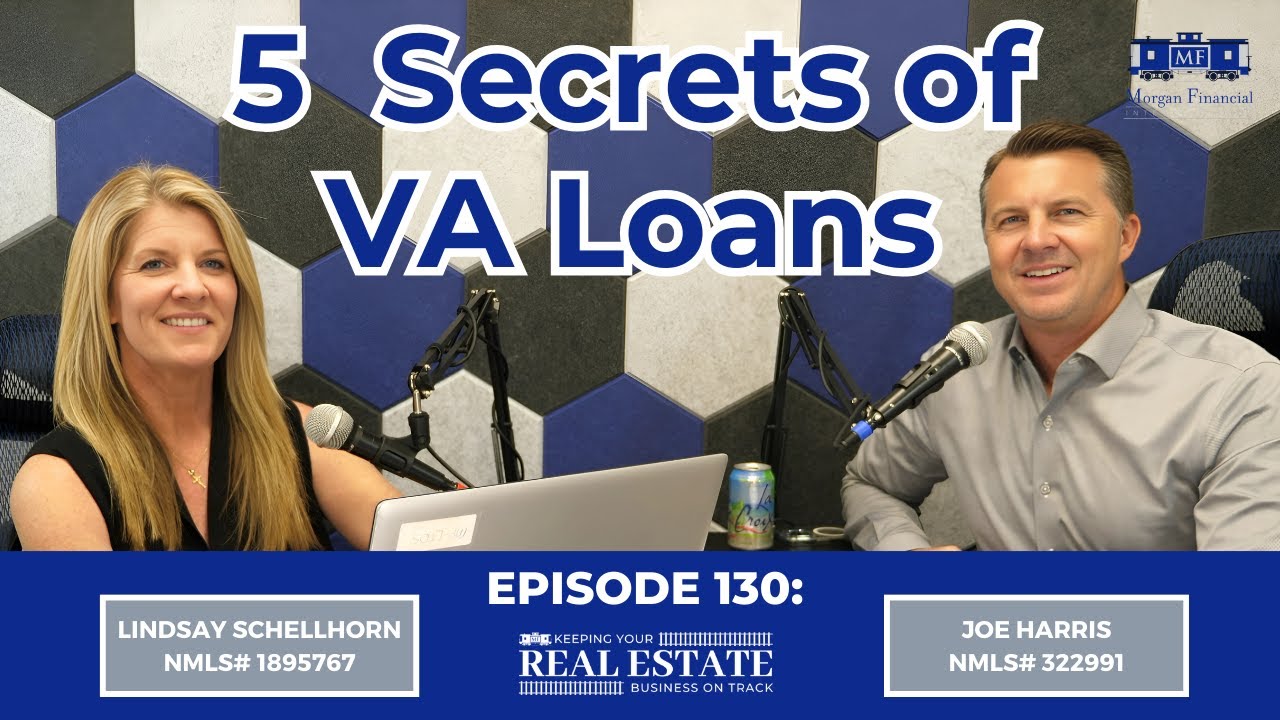
Watch the existing discussion: VA Loan Secrets Every Veteran Needs to Know! Use the written qualifications here when applying these benefits to your own purchase.
5. You can use the benefit again, with the right entitlement
The VA home-loan benefit is not limited to one purchase. Restoration or remaining entitlement may support another eligible home purchase. In some circumstances, a borrower can keep an existing VA loan and obtain another, but both the entitlement and the new loan must work.
The VA’s eligibility and restoration guidance explains the available paths. Selling the prior home and paying the loan in full is one common restoration route. A permitted restoration after paying off a loan while retaining the home has separate conditions. Ask VA and your lender to confirm the current COE rather than assuming an old benefit amount is still available.
Reuse is also subject to occupancy requirements. A new VA purchase is generally for a home you intend to occupy, rather than a vacation home or a property bought solely as an investment. Review our VA occupancy guide if orders, deployment or household timing complicate that plan.
An IRRRL is a separate refinance decision
If you already have a VA-backed mortgage, an Interest Rate Reduction Refinance Loan, or IRRRL, may be an option. It refinances an existing VA loan and may lower the payment or move an adjustable-rate loan to a fixed rate. It is not a new purchase benefit or automatic savings.
VA generally does not require an appraisal or a credit-underwriting package for an IRRRL. Still, ask the lender what your transaction requires before assuming there will be no documents or appraisal. The VA’s IRRRL guidance explains the narrower process, while its consumer refinance overview stresses costs and benefits. Morgan Financial’s refinance options are a starting point for that conversation.
Put these VA loan facts into your purchase plan
Before serious home shopping, gather the information needed to test the benefits against your own budget. The important questions are practical:
- What does my current COE show, and is any entitlement already in use?
- What loan amount, monthly payment and cash to close fit my finances?
- Does a funding fee apply, and would I pay it now or finance it?
- What property and occupancy conditions remain?
- How does the full VA proposal compare with my other available financing?
Use a secure process for military, income and financial documents. For a Space Coast purchase, get property-specific tax and insurance estimates early so the benefit comparison reflects the home you actually want to buy.
VA loan facts: common questions
Are VA loans only for Veterans who served on active duty?
No. Eligibility can also extend to qualifying current service members, National Guard and Reserve members, and certain surviving spouses. Service history and other eligibility rules matter; request a COE rather than assuming your status qualifies or disqualifies you.
Does a COE mean my mortgage is approved?
No. It documents VA benefit eligibility. Your lender must separately approve the borrower, loan and property. Bring the COE into the preapproval conversation.
Can the seller help with closing costs?
Permitted seller credits may help, but the contract, type of cost and VA rules determine how they can be used. Ask for the actual cash-to-close calculation before assuming the seller will cover everything.
Is the funding fee the same as PMI?
No. The funding fee is a separate, generally one-time VA charge unless exempt. PMI is mortgage insurance commonly associated with conventional financing. Compare the full costs of each proposal.
Can I use a VA purchase loan for a vacation home?
Generally, no. A VA-backed purchase requires a qualifying plan to occupy the home. Discuss genuine military or household exceptions with your lender before relying on a particular arrangement.
Is there a VA penalty for paying the loan off early?
VA-backed purchase loans have no prepayment penalty. Ask the servicer how to direct extra payments toward principal and how to request an accurate payoff amount when needed.
Will refinancing an existing VA loan always save money?
No. Compare the costs, payment, term and remaining balance over the time you expect to keep the loan. A lower rate or payment alone does not prove an overall saving.
This article is for educational purposes only and is not financial, legal, tax, or insurance advice or a commitment to lend. Loan approval, terms, and program eligibility depend on borrower, property, lender, and program requirements. Verify current requirements with a licensed mortgage professional and the relevant government agency.
Morgan Financial • NMLS #318525 • Equal Housing Lender. Joe Harris • COO • NMLS #322991. Morgan Financial is a private lender and is not affiliated with, endorsed by, or sponsored by the U.S. Department of Veterans Affairs.