If you are debating new construction vs existing homes, you are not alone. In 2026, buyers have more options than they have seen in years. Builders are offering strong incentives, while resale inventory has increased across many Florida markets.
However, the right choice depends less on trends and more on your timeline, finances, and long-term goals.
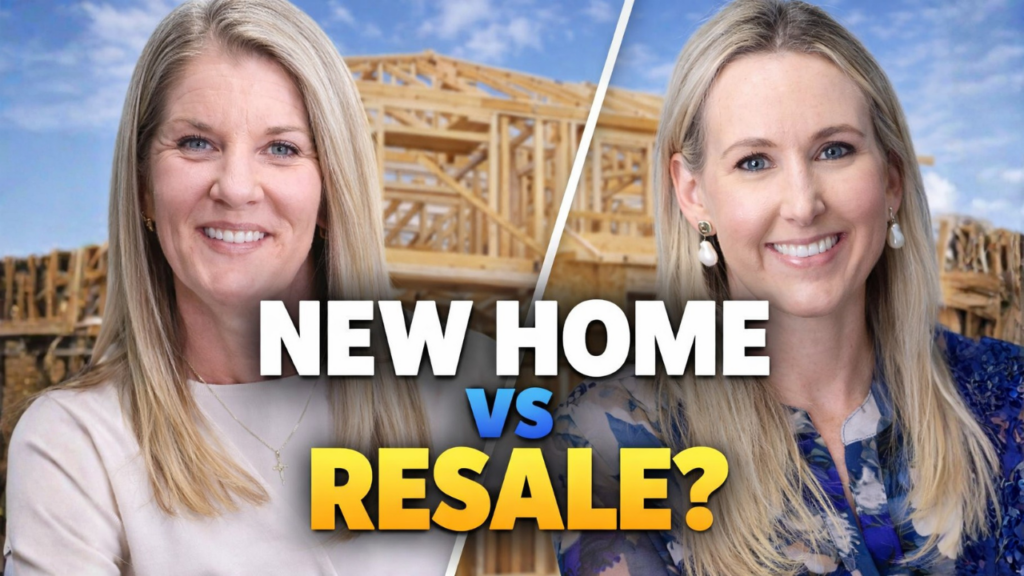
In this episode of the Morgan Financial Podcast, we sat down with Kelly Obiter of High Tide Group Real Estate. With experience in both new construction and resale, she brings a rare perspective from both sides of the transaction.
Let’s break it down clearly.
Financial Differences: New Construction vs Existing Homes
When comparing new construction vs existing homes, most buyers immediately think about price. However, the real differences show up in structure, incentives, and long-term costs.
Builder Incentives
Right now, many builders are offering some of the strongest incentives we have seen in years. These may include:
- Closing cost assistance
- Rate buydowns
- Lower deposit structures
- Move-in ready standing inventory
That said, resale homes offer negotiation flexibility. Sellers may agree to repairs, closing costs, or price reductions depending on market conditions.
Ultimately, your timeline plays a major role. If you need to move immediately, resale might be easier. If you can wait several months, new construction may provide more strategic options.
Hidden Costs Buyers Overlook
Every property has costs beyond the list price. The key is knowing where they show up.
With Resale Homes
- Inspection costs (typically several hundred dollars)
- Potential repair negotiations
- Older systems such as cast iron plumbing
- Roof replacements
- Insurance variability
For example, homes in older Florida neighborhoods may require sewer scope inspections. Cast iron plumbing and aging roofs can create unexpected expenses.
With New Construction
- Lot premiums (water view, preserve view, oversized lots)
- Upgrade packages
- HOA fees
- CDD fees in certain communities
A lot premium can range widely depending on location. While buyers often recover that value later, it still affects your upfront budget.
Because of that, you must think beyond base price.
Insurance Differences in 2026
Insurance is one of the biggest differentiators in new construction vs existing homes.
Homes built within the last 10 years typically qualify for significantly better homeowners insurance rates. That can reduce your monthly escrow payment substantially.
On the other hand, older resale homes may see insurance premiums that impact overall affordability. That is why strong local lenders review insurance quotes early in the inspection period. No one wants a surprise that pushes them over budget.
Why Property Taxes Jump on New Builds
One of the most common surprises with new construction involves property taxes.
During the first year, taxes are often assessed based on the vacant lot. That amount can appear artificially low. However, once the completed home is assessed, taxes adjust accordingly.
This is not hidden, but many buyers overlook it in the fine print.
A knowledgeable lender will project forward taxes based on the improved value, not just the first-year estimate. Planning ahead prevents sticker shock later.
Negotiation Power: Builders vs Resale Sellers
Negotiation dynamics differ significantly.
With resale homes, you negotiate with individual sellers. Emotions may play a role, especially if they raised a family in the home.
With builders, you negotiate with a business. That removes some emotion from the process. Timing also matters. End-of-quarter or end-of-year periods often bring stronger incentives when builders aim to meet sales goals.
However, builders represent themselves. If you walk into a model home without representation, the sales agent works for the builder, not for you. Having your own real estate agent ensures someone protects your interests during an eight to nine month build process.
Who Should Consider Existing Homes?
Existing homes may fit you better if:
- You want mature landscaping and established neighborhoods
- You need to move quickly
- You prefer negotiating directly on price
- You want character or older architecture
Additionally, location can heavily influence the decision. New communities may sit in developing corridors, while established neighborhoods offer proximity to schools, shopping, and daily conveniences.
Who Should Choose New Construction?
New construction may be ideal if:
- You want lower insurance costs
- You prefer minimal maintenance
- You need time to sell your current home
- You value customization
Builders often allow contingencies for buyers who must sell first, though policies vary.
The Bottom Line
The decision between new construction vs existing homes is not about which is better universally. It is about which fits your lifestyle, financial structure, and timeline.
New construction often delivers lower insurance costs and builder incentives. Resale homes offer flexibility, established communities, and faster move-in options.
Most importantly, both paths require proper financial planning. Taxes, insurance, lot premiums, and HOA structures all affect your long-term affordability.
At Morgan Financial, we help buyers run the full numbers before they commit. Whether you choose new or resale, strategy matters.
👉 If you are weighing new construction vs existing homes in Brevard County or anywhere in Florida, reach out to Morgan Financial to build a smart plan that fits your goals.