
Last updated August 2026
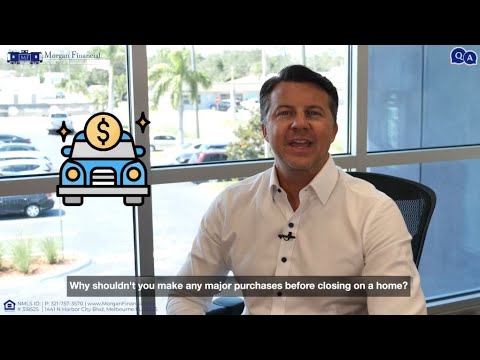
There is no universal dollar amount that makes a purchase “large” before closing; it is large if it could change your credit, monthly debts, cash reserves, or funds needed to close enough to affect mortgage approval. A financed car, furniture purchase, new credit card, buy-now-pay-later plan, or major cash payment may all matter. Before committing to a purchase or moving money, ask your loan officer to review the specific transaction.
Key takeaways
- There is no single dollar cutoff that applies to every borrower or loan program.
- A new monthly payment can change your debt-to-income ratio, even when the offer says “0% financing.”
- A cash purchase can reduce the verified funds available for closing costs, down payment, or required reserves.
- Your lender may check your credit again shortly before closing, according to the Consumer Financial Protection Bureau.
- The safest step is to contact your loan officer before applying for credit, signing a purchase agreement, or transferring a significant amount of money.
What is considered a large purchase before closing?
A purchase is considered large when it could materially change the financial information used to approve your mortgage. The effect matters more than the price tag. A $2,000 transaction may be harmless for one borrower but may reduce another borrower’s available cash or create a payment that changes qualification.
Common examples include a car, truck, boat, RV, furniture package, appliances, electronics, jewelry, home-improvement materials, or a vacation. Opening a store card, using a buy-now-pay-later service, co-signing for someone else, or sharply increasing a credit-card balance can also create a new obligation.
For buyers in Melbourne, Viera, Palm Bay, Rockledge, and elsewhere on the Space Coast, the weeks before closing often bring extra expenses. Insurance premiums, inspections, moving deposits, utility setup, wind-mitigation work, and flood-related costs can add up quickly. Keep enough verified money available until the transaction has closed and your loan team confirms the process is complete.
Why can a financed purchase affect mortgage approval?
A financed purchase can affect approval because it may add a credit inquiry, a new account, a higher balance, or a new monthly payment. Mortgage qualification is based partly on your documented debts and credit profile, so the lender may need to recalculate the file when either changes.
The Consumer Financial Protection Bureau explains that applying for a credit card, car loan, or other loan creates a credit inquiry and recommends avoiding new credit immediately before or during the mortgage process. A “same as cash” or promotional 0% offer is still a credit transaction if it creates an account or repayment obligation.
Current Fannie Mae guidance also requires a lender that learns about certain changes to income, assets, or liabilities before closing to update the loan data and determine whether the mortgage still meets its requirements. VA underwriting guidance likewise calls for borrower debts and obligations to be verified and discrepancies to be resolved before closing.
Can you buy furniture with cash before closing?
Yes, you can sometimes buy furniture with cash before closing, but the purchase can still create a problem if it reduces the money needed for your down payment, closing costs, or reserves. Paying cash avoids a new credit inquiry and monthly debt, but it does not prevent the lender from seeing a lower bank balance.
Furniture is especially tempting after an offer is accepted, but delivery delays are usually less serious than a funding delay. Wait until after closing whenever possible. If you must buy an essential item, tell your loan officer the amount, payment method, and account you plan to use before completing the purchase.
Florida homeowners may also need cash for homeowners insurance, flood insurance, prepaid taxes, or last-minute property-related items. Your final cash-to-close amount appears on the Closing Disclosure, which the CFPB recommends comparing with your Loan Estimate.
Which transactions should you discuss with your loan officer?
Discuss any transaction that could add debt, move a large amount of money, or change the funds your lender has already verified. This includes purchases as well as transfers, gifts, withdrawals, and new accounts.
| Transaction | Why it may matter | Best next step |
|---|---|---|
| Car, RV, boat, or equipment financing | May create an inquiry, new account, and monthly payment | Get the loan officer’s review before signing |
| Furniture, appliances, or store financing | Promotional financing can still be new debt | Wait until after closing when possible |
| Large cash or debit-card purchase | May reduce cash to close or reserves | Confirm the remaining verified balance is sufficient |
| New credit card or buy-now-pay-later plan | May add an inquiry, account, balance, or payment | Do not apply without checking first |
| Large transfer, withdrawal, or deposit | May require updated statements or documentation | Ask how to document it before moving funds |
What should you do if a purchase cannot wait?
If a purchase cannot wait, contact your mortgage loan officer before you apply, sign, pay, or transfer funds. Give the loan team the price, payment method, proposed monthly payment, and the bank or credit account involved. They can review the transaction against your actual loan file rather than relying on a general rule.
- Pause before committing to the purchase.
- Send the details to your loan officer.
- Let the loan team review any disclosure, updated payment, or documentation requirement.
- Proceed only after you understand how the transaction may affect your approval and closing funds.
Do not try to hide a new debt or move money between accounts to make the transaction less visible. Clear documentation is usually easier to address than an unexplained change discovered late in underwriting.
Frequently asked questions
Can I use my credit card while closing on a house?
Yes, normal credit-card use may be acceptable, but a sharp balance increase or a new monthly obligation can affect the loan. Keep spending steady, pay bills on time, and avoid using the card for furniture, appliances, travel, or another major expense without asking your loan officer first.
What is considered a big purchase during underwriting?
A big purchase during underwriting is any transaction that could change your debts, credit, cash to close, or reserves enough to require the file to be reviewed again. The amount depends on your financial profile and loan program, so there is no safe universal cutoff.
Can I finance furniture before closing?
You should generally wait to finance furniture until after closing because the account and payment may need to be added to your loan file. Even a deferred-payment or 0% promotion can create new credit activity. Ask your loan officer before submitting an application.
Can I buy a car before closing on a house?
Buying or leasing a car before closing can put mortgage approval at risk because it may add an inquiry and a substantial monthly payment. If transportation is essential, have your loan officer review the proposed payment and financing terms before you visit the dealership or sign a contract.
Will the lender check my credit again before closing?
Yes, a mortgage lender may check your credit again shortly before closing. The CFPB specifically notes that lenders may obtain another report just before closing. New inquiries, accounts, balances, or late payments can therefore surface after the initial approval and may require further review.
Can I move money between bank accounts before closing?
Yes, but large transfers may create additional documentation requests because the lender must confirm the source and location of funds. Before moving down-payment or closing money, ask which account should hold it and what statements or transfer records the loan team will need.
Protect your approval until closing day
The safest rule is simple: do not take on new debt or spend a significant portion of your verified funds until your mortgage has closed unless your loan officer reviews the transaction first. Morgan Financial has guided Space Coast homebuyers since 2002, and our local team can help you understand how a planned purchase may affect your specific loan.
Explore our Florida home-purchase process, estimate costs with our mortgage calculators, or contact Morgan Financial before making a major financial change.
This article is for educational purposes only and is not financial, legal, tax, or insurance advice or a commitment to lend. Loan approval, terms, and program eligibility depend on borrower, property, lender, and program requirements. Verify current requirements with a licensed mortgage professional and the relevant government agency.
Morgan Financial, NMLS#318525. Joe Harris, NMLS#322991.